
Ecuador Tours
Experience Ecuador
The “Republic of the Equator” was one of three countries that emerged from the collapse of Gran Colombia in 1830 (the others being Colombia and Venezuela). Between 1904 and 1942, Ecuador lost territories in a series of conflicts with its neighbors. A border war with Peru that flared in 1995 was resolved in 1999.
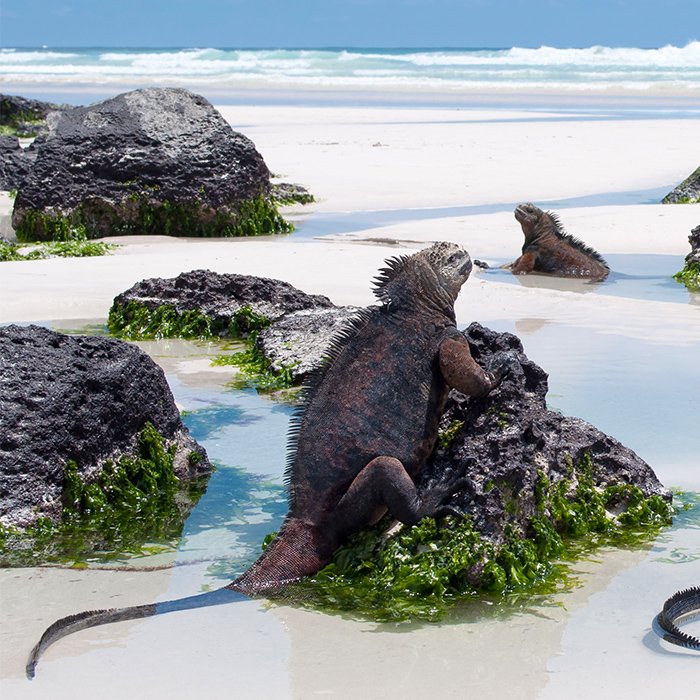
Part of Ecuador’s Territories are the amazing Galapagos Islands. These wonderful islands are part of the world’s and the Ecuadorians’ pride, for this reason we conserve the islands in the best way possible.
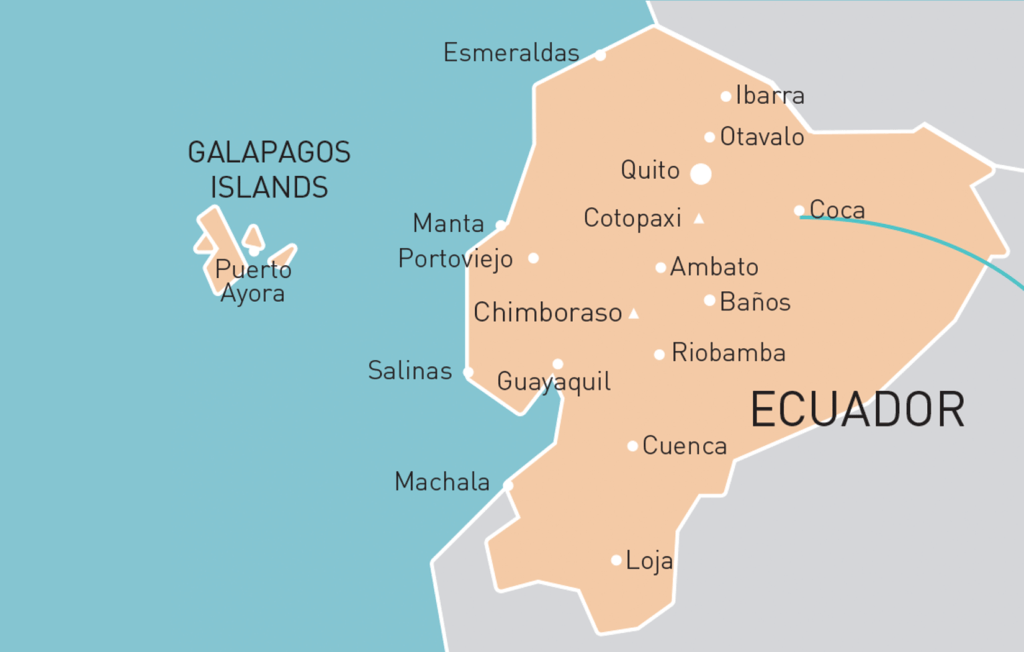
Ecuador Tour Highlights



Climate

Time Difference

Capital City

Currency
Best Selling Tours
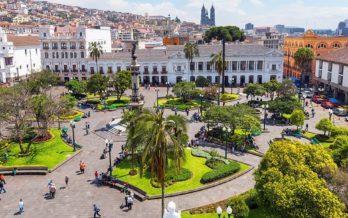
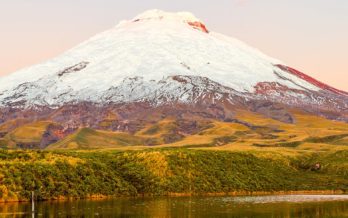


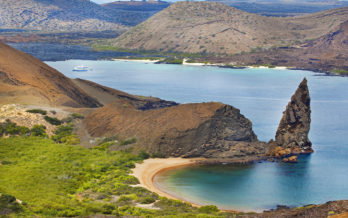

Unique Ecuadorian Travel Experiences
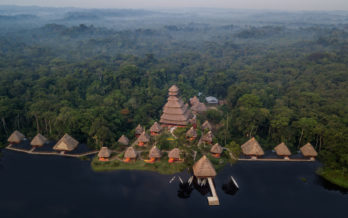



Amazon Cruises and Lodges
Get in touch today,
we’d love to talk to you.


Request a Brochure
Get our latest brochures and start planning your next holidays.
Latin American Inspiration
The agents were brilliant. I couldn’t find any fault with the cars, transfers, guides, drivers, programs. Everything was fantastic!