Cuba Tours
Experience Cuba
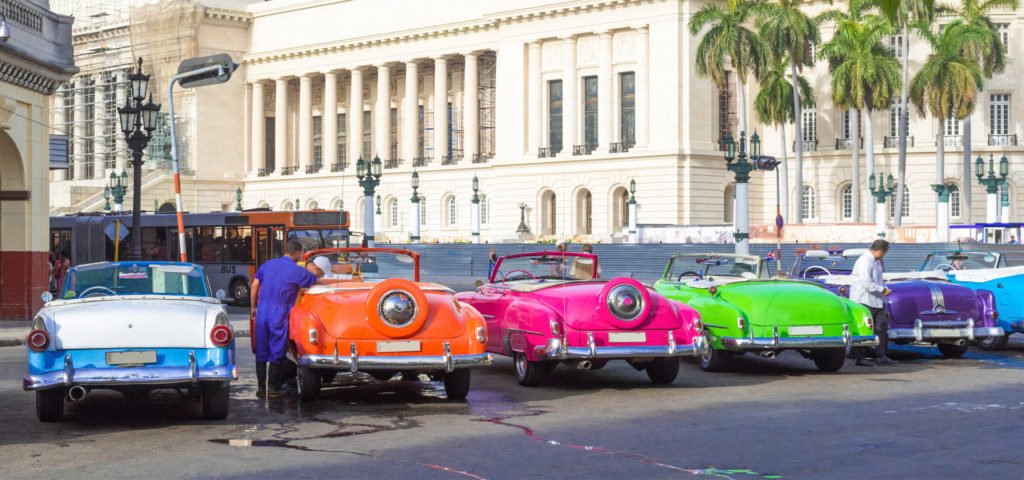
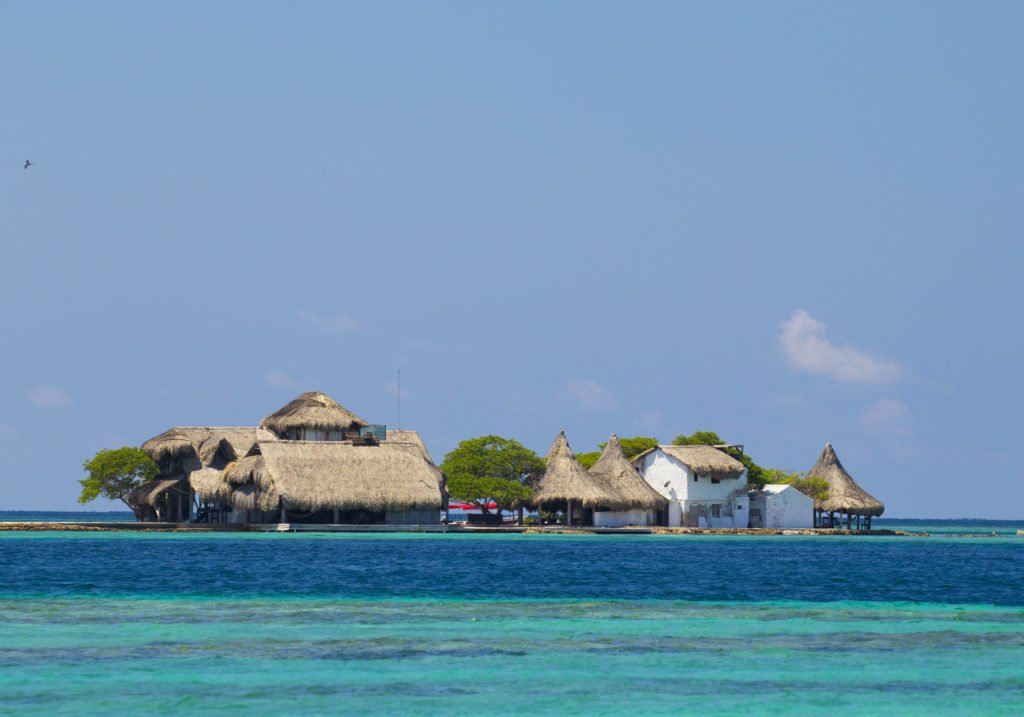
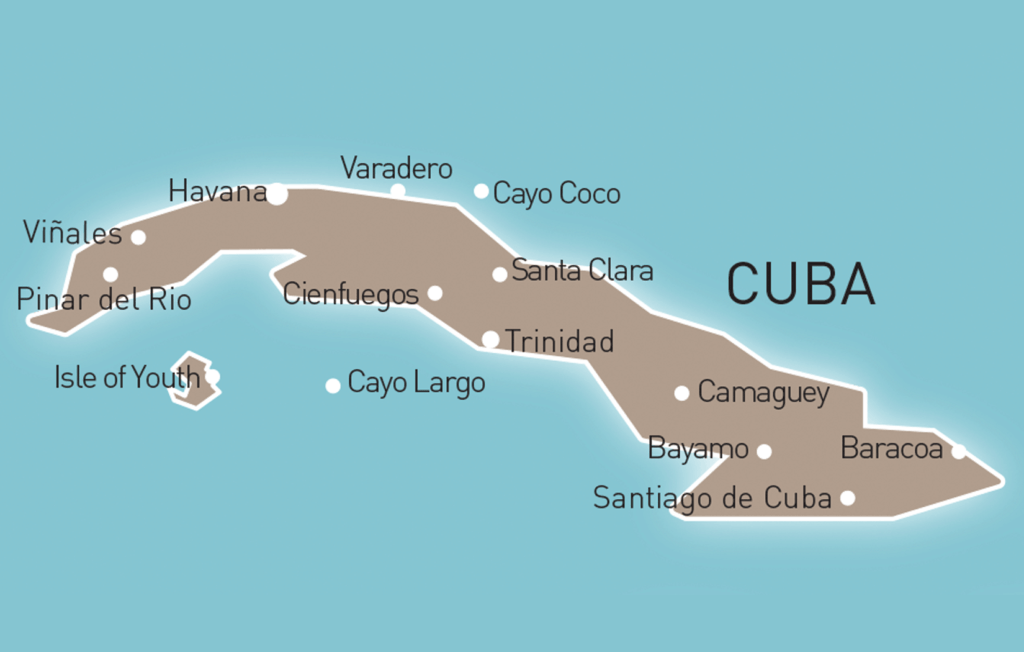
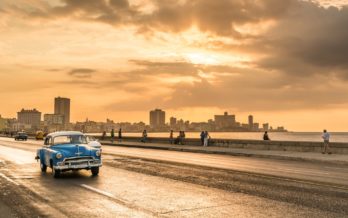
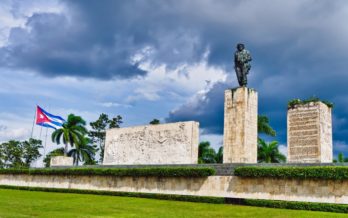
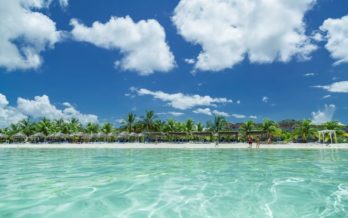
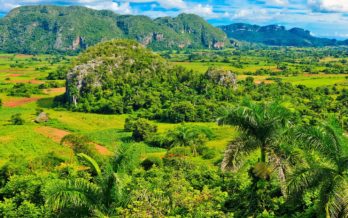
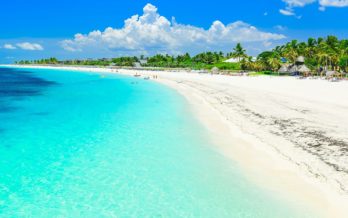
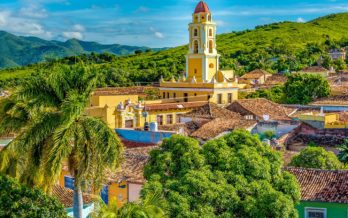
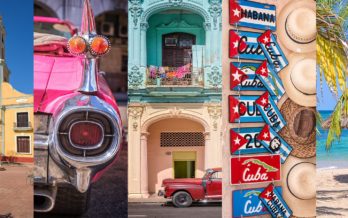
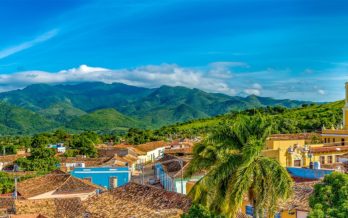
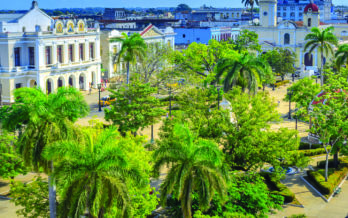
Cuba, the ‘Pearl of the Antilles’, is the largest island in the Caribbean and a land of friendly people, colonial towns, unspoil beaches and picturesque countryside. For nearly four centuries, Cuba was the main gateway to Spain’s vast American empire, and cities such as Havana, Santiago, Camaguey, Baracoa and Trinidad are sentinals of a bygone era. The richness of Cuba’s culutre is reflected in its many museums, mostly located in the capital, Havana. The capital itself, home of the salsa, mambo and cha-cha, is the artistic centre of Cuba. Meet the vivacious and passionate people and feel the rhythm of Cuban music. Cuba offers and adventure like no other.
Cuba Tour Highlights
Best Selling Tours

Time Difference

Capital City

Currency
About Cuba
Cubans have two basic origins, Spanish and African. On the one hand, the Galicians and Asturians arrived, maybe they could influence in the abilities for business, but also others from many different Iberian regions come to the island such as the Andalusians.
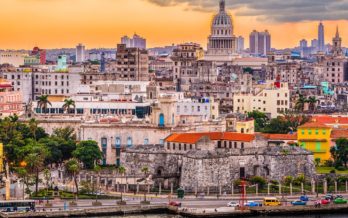
Havana is Cuba’s capital and it’s the largest city in the Caribbean. It is Cuba’s political, cultural and economic hub. Havana was founded in 1519 and was declared a World Heritage Site by UNESCO in 1982. Havana has an eclectic mixture of architectural styles, from neo-classical, art nouveau to colonial and art deco. The city offers all kinds of attractions, hotels, restaurants, universities, modern hospitals, theatres, cinemas, zoo, aquarium, botanical gardens, museums and an incredible nightlife.
El Floridita, this bar is located between Obispo and Monserrat streets, you will find the ideal site for a dinner on a grand scale. El Floridita offers in its menu a wide range of shellfish and fish and more than 400 recipes of cocktails or maybe try The Great Hemingway Dish a very well seasoned combination of fish, lobster and shrimps.
Climate
Tropical, moderated by trade winds; dry season (November-April); rainy season (May-October).
Get in touch today,
we’d love to talk to you.


Request a Brochure
Get our latest brochures and start planning your next holidays.